Entry · Ref UY251I7C
Understanding The Distinction In Between Precancerous Skin Developments And Skin Cancer
- Posted
- 2026-09-19
- Last amended
- 2026-09-19
- Account
- @titusppme989
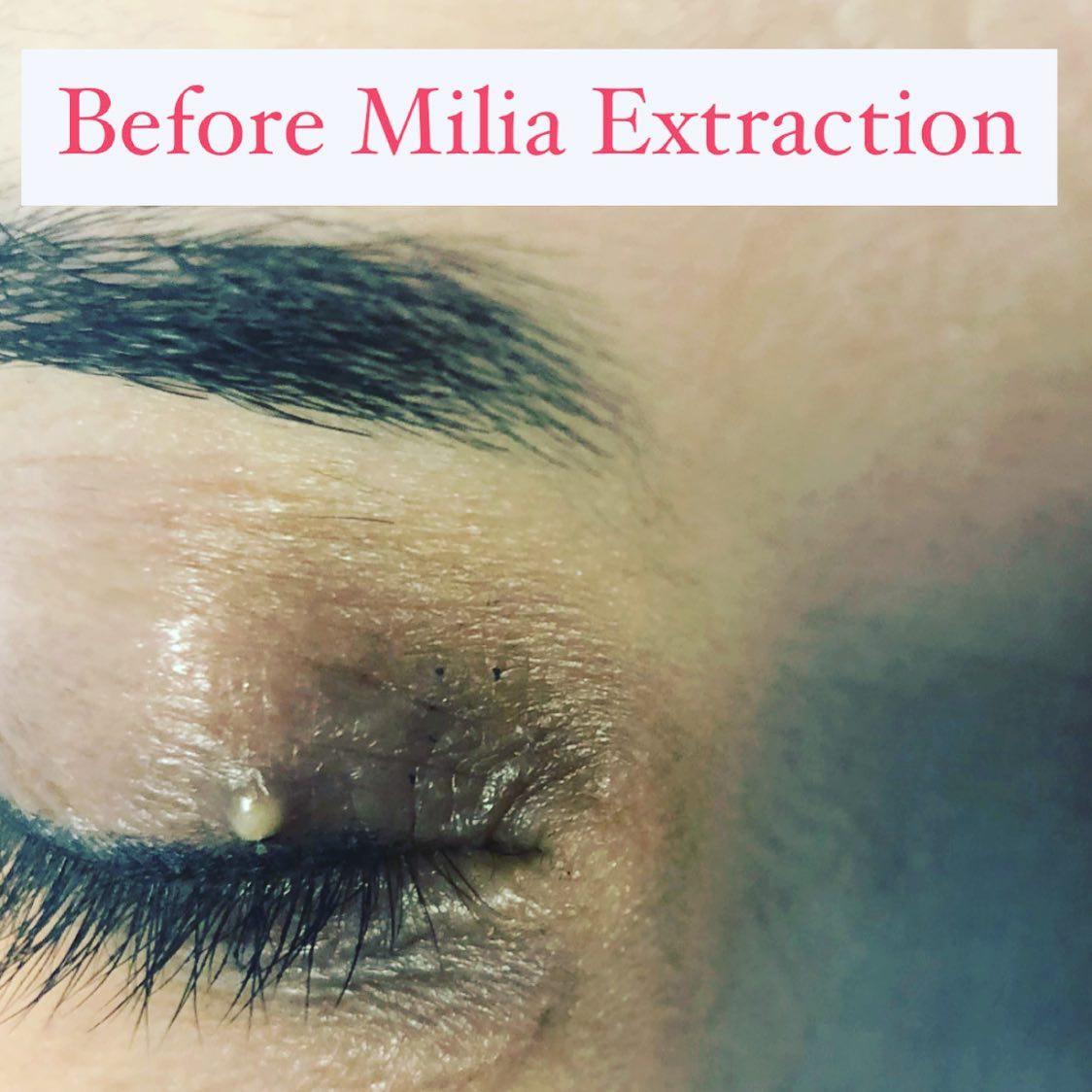
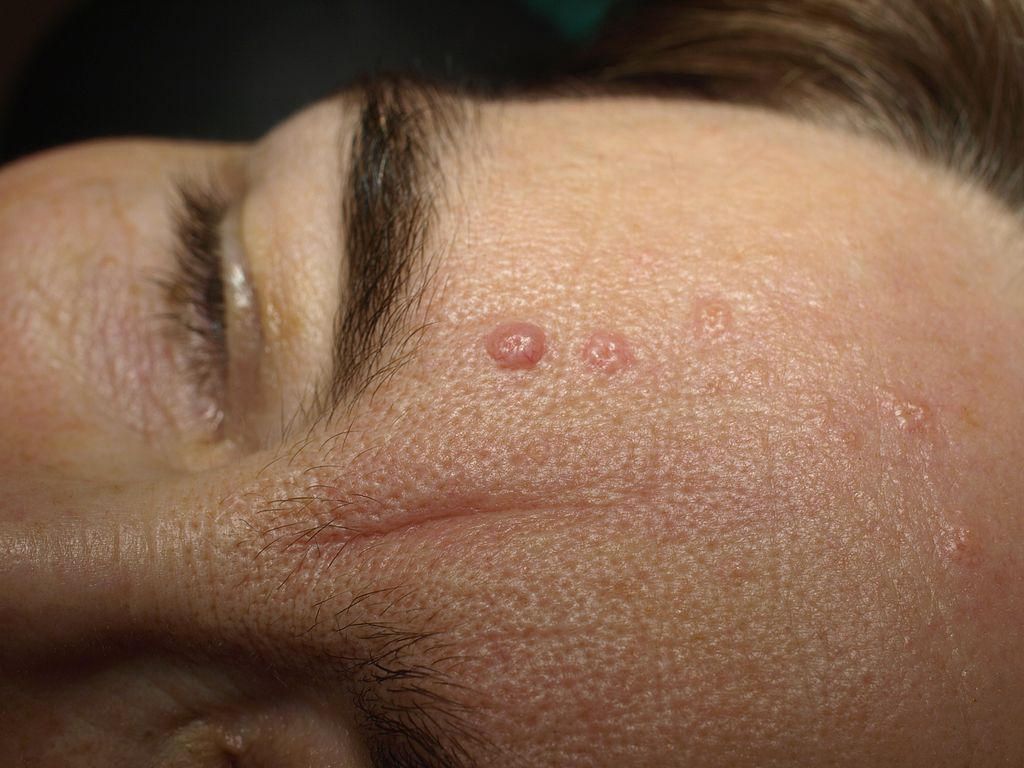
- A mole that does not have the very same shade throughout or that has tones of tan, brown, black, blue, white, or red is dubious.
- Lesions like skin tags and cherry angiomas can run in family members, with parents passing down a proneness to their children.
- There are different sources of skin cancer cells and a lot of these entail sunlight direct exposure.
- Though moles can become cancer, or cancer malignancy, it is rare.
- Whether you're worried about a brand-new mole, a changing mole, or just desire satisfaction, our group is right here to provide expert care and support.
Exactly How Harmful Is A Malignant Mole?
Systemic health and wellness problems and autoimmune illness like psoriasis can cause signs and symptoms that affect the skin. Changes like age, rising and fall hormones, and physical toxic irritants like rubbing chafing can add to the growth of some sores. A lot of us recognize that excessive sun direct exposure can lead to melanoma.Dr Tanja Phillips-- Professional Benign Lesion Care
Therapies are usually quick, and patients can go back to normal tasks shortly later. Routine skin evaluations by a certified dermatology service provider are recommended for high-risk people. Your physician at Calkin & Boudreaux can offer guidelines based on your individual danger aspects. The majority of benign moles are smaller than 6 millimeters in size (around the size of a pencil eraser). Larger spots, specifically those that remain to expand, call for closer attention. These developments are constructed from melanocytes, which are pigment cells that are responsible for generating skin shade. Diseases like poultry pox are caused by the herpes infection, leading to a particular red rash throughout the body. Fungal infections like ringworm can cause red, itchy patches on the skin. Most notably, if you discover anything relentless, developing, or concerning, speak to a doctor right now. When it involves feasible beginning skin cancer cells, early activity conserves lives. Skin changes as you age and are subjected to sunlight, health problems, trauma, and other ecological adjustments. Most individuals have some skin marks, such as blemishes and moles. Melanoma is dangerous largely due to the fact that it can spread to other body organ systems in the body.Exactly how to tell if a skin lesion is benign?
- Symmetry fit, colour and structure.Stable or gradually evolving.Absence of
- spontaneous blood loss(bleeding or ulceration might be because of current injury).
Skin Lesions: Types, Triggers, And When To Seek Medical Recommendations
Sunlight exposure can activate excess melanin production, leading to blemishes, age spots, and other dark patches on the skin. Allergic reactions to plants, chemicals, or insect attacks can create sores like hives or rashes. Skin is the largest body organ on the body, and dealing with it is necessary permanently health and wellness. Evaluating skin to check for modifications or irregularities is just one of the most effective means to find any kind of possible troubles.Entry closed✓ Balanced